
Music for Every Student
Music for Minors partners with your child’s school to provide engaging, weekly music instruction during the school day.
Since 1976, MFM has served Bay Area schools with one goal: ensuring every child has access to high-quality music education.
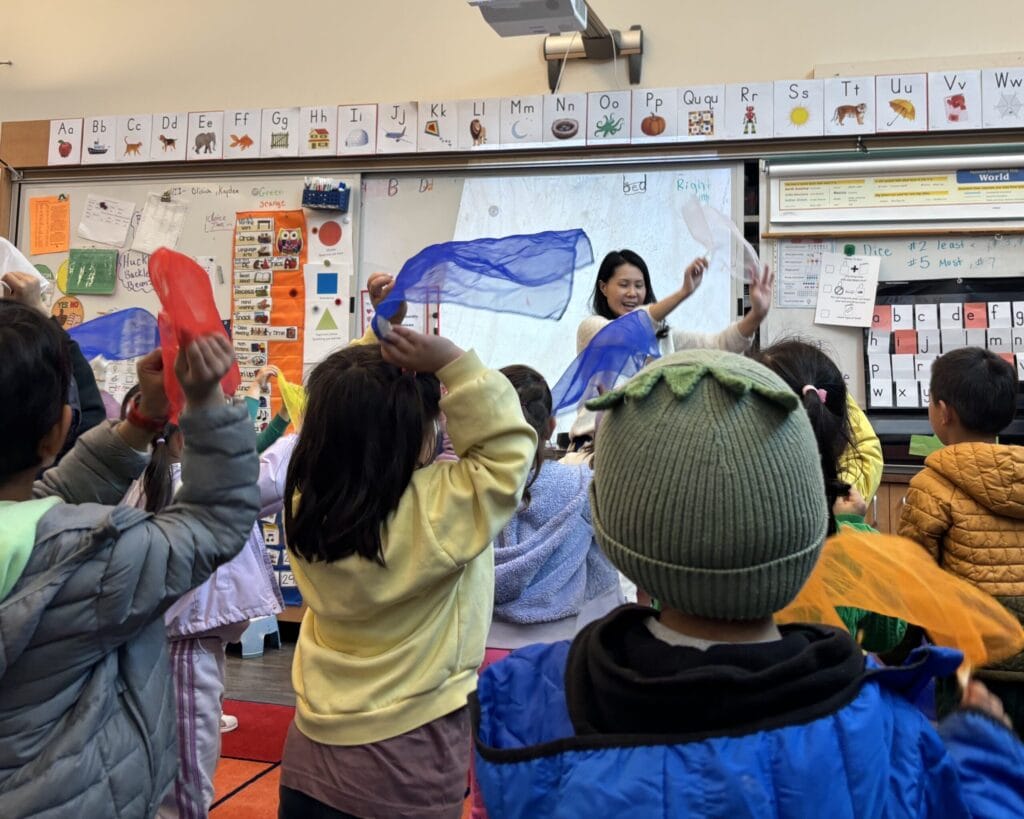
Through singing, movement, rhythm, instruments, and music from many cultures, students build confidence, creativity, and foundational music skills in a joyful, supportive environment.
Join our list for news and updates
Program Highlights

Weekly Sequential Curriculum
Students build musical skills step-by-step and grade-by-grade through engaging, developmentally appropriate lessons.

Standards-Based and Culturally Responsive
Our curriculum meets state and national standards while celebrating diverse musical traditions and cultures.

Trained Music Educators
Specialized music educators bring expertise, creativity, and passion to every class, supported by ongoing professional development.
What to Expect in Your Child’s Music Class
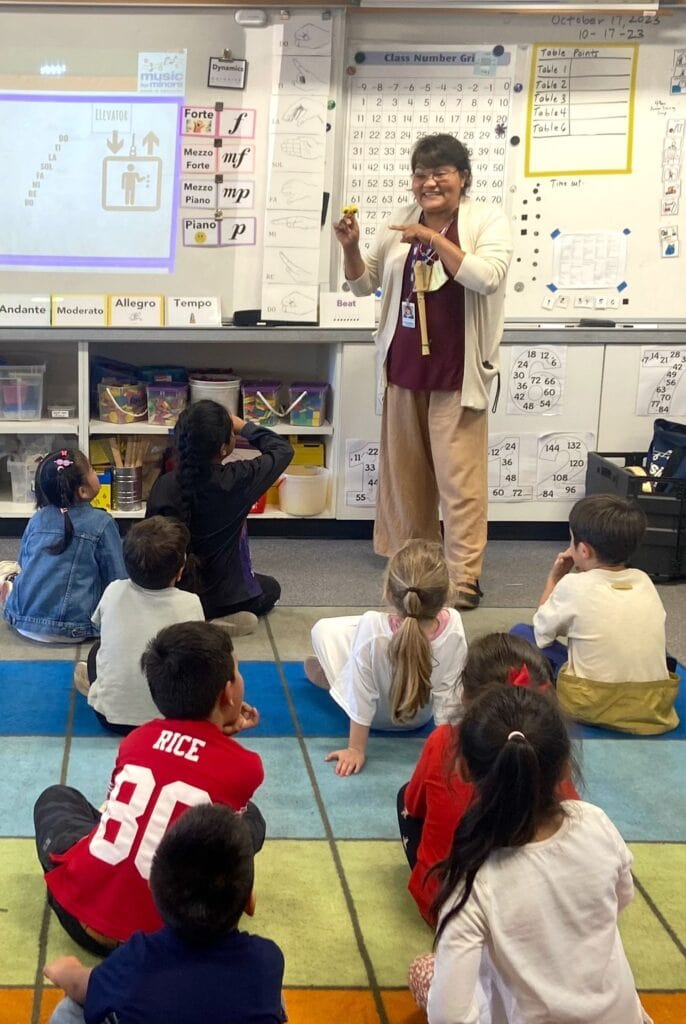
MFM provides weekly music instruction during the school day. Lessons build on one another throughout the year, helping students develop musical skills in a supportive, engaging environment.
In class, students sing, move, practice rhythm, play instruments such as recorder (starting in 3rd grade), and build confidence through active participation. Our curriculum is standards-based and designed to support both musical growth and overall learning.

Why Recorders?
In 3rd grade, students begin learning the recorder, an easy-to-play, lightweight instrument that introduces foundational music skills.
The recorder helps students develop note reading, breath control, finger coordination, and ensemble playing.
It’s an accessible first step into instrumental music and prepares students for future band, orchestra, or choir opportunities.
See the recorder in action: enjoy this Scots tune and this Baroque sonata.
Music and the brain
Educator Anita Collins explains the fireworks that go off in musicians’ brains when they play music and examines some of the long-term positive effects of this mental workout. In short: music strengthens focus, memory, and learning skills that support success across all subjects.
The Benefits of Music
Music education helps students develop motor skills and cognitive capacities, strengthening the brain for learning and content mastery. It also facilitates recall, retention, verbal sequencing and problem-solving
Students who study music not only develop musical abilities, but also receive benefits that extend to other academic areas, such as science and math. Research demonstrates that music and other integration practices positively affect student learning across subjects and overall scholastic success
Persistence, attention, and creativity are components of higher-level thinking and complex problem-solving that are essential for success in today’s world. Music also has the power to connect students to cultural and social values. Music brings us together and advances equity and belonging.
Ways to get involved:
Get connected
Sign up for our mailing list to get news and updates on how you can support classroom music
Bring MFM to your school
Our weekly in-school programs provide affordable and equitable access to music education
Host a fundraiser or donate
Support music education by donating or organizing fundraisers to expand music programs at your school


A nonprofit driven by impact:
Every aspect of our program is designed to ensure every student has access to music education.